

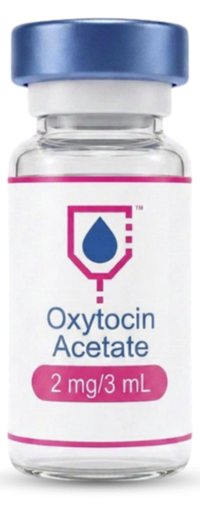
What Is Oxytocin?
A Naturally Occurring Hormone and Neuropeptide Involved in Social and Reproductive Signaling
Oxytocin is a naturally occurring hormone and neuropeptide produced in the brain. It plays important roles in childbirth and lactation, while also participating in social and emotional signaling throughout the body and brain.
It has attracted scientific and clinical interest because of its involvement in attachment, social connection, emotional processing, stress-related physiology, and intimacy. Oxytocin has specific FDA-approved medical uses in obstetrics, but it is not FDA-approved for emotional wellness, social connection, libido, stress reduction, or general wellness.
Have questions about peptide therapy? Call Advanced Mobile IV to speak with our team.

What Researchers Are Studying
-
Social and Emotional Signaling
Oxytocin is widely associated with bonding, attachment, trust, and social connection - hence its familiar nickname, the "bonding hormone." But that nickname is incomplete. Human connection and emotional experience involve many systems, including health, life history, relationships, and context.
-
Stress-Related Physiology
Researchers have explored oxytocin's role in stress-related physiology, emotional processing, and the way people respond to social cues. These are complex areas of biology, and a role in a pathway is not the same thing as a proven treatment outcome.
-
Reproductive Physiology
Oxytocin has established medical roles in obstetrics, including the management of labor and postpartum uterine bleeding. Those specific FDA-approved uses do not establish its safety or effectiveness for emotional wellness, intimacy, libido, or general wellness.
Quick Answer
Oxytocin is not simply a "bonding hormone." It is a naturally occurring hormone and neuropeptide with established roles in childbirth and lactation and a much broader role in social and emotional signaling. Researchers study those pathways, but oxytocin should not be presented as a general treatment for stress, mood, relationships, intimacy, or libido.
At a Glance

What it is
A naturally occurring hormone and neuropeptide with several biological roles.

Why it attracts attention
Researchers study its roles in social, emotional, and reproductive signaling.

What the evidence looks like
Its established obstetric uses differ from wellness and intimacy claims.

Important context
Oxytocin is not FDA-approved for general emotional or sexual wellness.
What We Know - and What Remains Unclear
Oxytocin is sometimes discussed in peptide communities as though it were a simple way to create calm, connection, trust, or intimacy. That language oversimplifies a complex biological and psychological system.
Oxytocin signaling is real, but a biological mechanism is not the same thing as a proven health outcome. Oxytocin should not be presented as a general treatment for stress, anxiety, depression, relationship concerns, low libido, or sexual dysfunction.
Anyone considering peptide therapy should have an individualized conversation with a qualified provider who can discuss the current evidence, limitations, health history, medications, laboratory information, and alternatives.
Wellness, Delivered With Care


"Getting IV fluids when I was feeling ill was so beneficial to my healing. I'm grateful for AMIV and the service they provide. I would recommend everyone try this."
Jeff Weaver
Customer

"Very professional. The owners explained this treatment in detail. The procedure I received helped with fatigue and dehydration. I enjoyed the relaxed atmosphere of being in my own home."
Jennifer Belch
Customer
"I have had multiple experiences with Advance Mobile IV and all have been AMAZING! Painless pokes and incredible results, make me feel 100 times better. So thankful I found this company."
Cortlin Beck
Customer
Frequently Asked Questions
Why is oxytocin called the bonding hormone?
Oxytocin earned that nickname because of its established role in social bonding, attachment, childbirth, lactation, and certain aspects of interpersonal connection. The phrase is useful shorthand, but it does not capture the full complexity of human relationships or emotional experience.
Can oxytocin improve mood or reduce stress?
Oxytocin is involved in emotional and stress-related signaling, but it should not be presented as a treatment for stress, anxiety, depression, or mood disorders. Those concerns deserve appropriate clinical evaluation.
Can oxytocin improve intimacy or libido?
Intimacy and libido are influenced by many factors, including physical health, relationship context, hormones, medications, stress, and mental health. A clinician can help assess the broader picture rather than treating oxytocin as a one-size-fits-all answer.
Is oxytocin FDA-approved?
Oxytocin has specific FDA-approved medical uses in obstetrics, including induction or reinforcement of labor in appropriate clinical circumstances and management of postpartum uterine bleeding. That does not mean it is FDA-approved for emotional wellness, social connection, libido, stress reduction, or general wellness.
Learn More About Peptide Therapy
Peptide science is complicated, particularly when it involves the endocrine system. Advanced Mobile IV can help you understand the current conversation around oxytocin and other peptide therapies, the questions to ask, and whether a discussion with a qualified provider makes sense for you.
Call Advanced Mobile IV to Learn MoreThis page is for educational purposes only and is not medical advice. Research and clinical understanding of peptide therapy continue to evolve.
AMIV Wellness Hub
Recent Blog Posts

Mobile IV
Jan 08, 2026
