

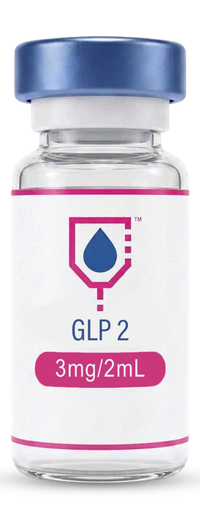
What Is GLP-2?
A Second-Generation GLP Therapy Under Study in Appetite Regulation and Metabolic Health
GLP-2 is the term used here to describe a second-generation GLP therapy that combines activity at two metabolic hormone receptors: glucagon-like peptide-1 (GLP-1) and glucose-dependent insulinotropic polypeptide (GIP). These signaling pathways are involved in appetite, blood glucose regulation, insulin response, and energy metabolism.
It has attracted scientific and clinical interest because combining GLP-1 and GIP receptor activity may produce metabolic effects beyond targeting GLP-1 alone. Dual-receptor therapies have been studied extensively for their effects on appetite, blood glucose regulation, body weight, and other measures of metabolic health.
The term GLP-2 on this page refers to this second-generation dual-receptor approach and not to the naturally occurring hormone glucagon-like peptide-2.
Have questions about peptide therapy? Call Advanced Mobile IV to speak with our team.

What Researchers Are Studying
-
Appetite and Satiety
GLP-1 and GIP signaling are involved in metabolic responses to food intake. Researchers study how dual-receptor activation may influence appetite, satiety, food intake, and the biological pathways involved in long-term weight management.
-
Glucose Regulation and Insulin Response
GLP-1 and GIP both participate in glucose-dependent insulin signaling. Researchers have extensively investigated how activating both receptor systems can affect blood glucose regulation, insulin response, and other measures of metabolic health.
-
Weight Management and Metabolic Health
Clinical research has examined dual GLP-1/GIP receptor agonism for body weight and related metabolic outcomes. Studies have demonstrated substantial weight reduction in appropriate populations, while research continues into the longer-term metabolic effects of this dual-action approach.
Quick Answer
GLP-2 describes a second-generation approach that acts on both GLP-1 and GIP receptors. Researchers have studied dual-receptor agonism for its effects on appetite, satiety, glucose regulation, insulin sensitivity, and body weight. This dual-action approach is distinct from therapies that target the GLP-1 receptor alone.
At a Glance

What it is
A second-generation approach combining GLP-1 and GIP receptor activity.

Why it attracts attention
Researchers study dual-receptor signaling because GLP-1 and GIP influence complementary pathways involved in appetite, glucose regulation, insulin response, and metabolic physiology.

What the evidence looks like
Dual GLP-1/GIP receptor agonism has been evaluated in extensive human clinical research, with evidence demonstrating significant effects on blood glucose regulation and body weight in appropriate populations.

Important context
"GLP-2" is being used here to describe a second-generation GLP-1/GIP approach and should not be confused with the naturally occurring hormone glucagon-like peptide-2.
What We Know - and What Remains Unclear
Dual GLP-1/GIP receptor agonism has substantially stronger clinical evidence than many therapies discussed in peptide and wellness settings. Its effects on blood glucose regulation and body weight have been demonstrated in large randomized clinical trials.
That does not mean every claim associated with these therapies has been established. Claims involving increased energy, generalized hormone balance, anti-aging effects, or broad improvements in wellness extend beyond the outcomes established by current clinical evidence.
Anyone considering peptide therapy should have an individualized conversation with a qualified provider who can discuss the current evidence, limitations, health history, medications, laboratory information, and metabolic considerations.
Wellness, Delivered With Care


"Getting IV fluids when I was feeling ill was so beneficial to my healing. I'm grateful for AMIV and the service they provide. I would recommend everyone try this."
Jeff Weaver
Customer

"Very professional. The owners explained this treatment in detail. The procedure I received helped with fatigue and dehydration. I enjoyed the relaxed atmosphere of being in my own home."
Jennifer Belch
Customer
"I have had multiple experiences with Advance Mobile IV and all have been AMAZING! Painless pokes and incredible results, make me feel 100 times better. So thankful I found this company."
Cortlin Beck
Customer
Frequently Asked Questions
Is GLP-2 the same as GLP-1?
No. As the term is used here, GLP-2 describes a second-generation approach that combines activity at both GLP-1 and GIP receptors rather than targeting the GLP-1 receptor alone.
What is GIP?
GIP stands for glucose-dependent insulinotropic polypeptide. It is a naturally occurring gut hormone involved in the body's metabolic response to food, including glucose-dependent insulin signaling.
Why combine GLP-1 and GIP receptor activity?
The two signaling systems influence complementary aspects of metabolic physiology. Researchers have studied whether activating both pathways can produce greater effects on glucose regulation and body weight than targeting GLP-1 alone.
Has dual GLP-1/GIP receptor agonism been proven to support weight loss?
Yes. Large randomized clinical trials have demonstrated clinically meaningful weight loss with dual GLP-1/GIP receptor agonism in appropriate populations.
Learn More About Peptide Therapy
Peptide science is complicated, particularly when it involves metabolic and endocrine signaling. Advanced Mobile IV can help you understand the current conversation around GLP-2 and other peptide therapies, the questions to ask, and whether a discussion with a qualified provider makes sense for you.
Call Advanced Mobile IV to Learn MoreThis page is for educational purposes only and is not medical advice. Research and clinical understanding of peptide therapy continue to evolve.
AMIV Wellness Hub
Recent Blog Posts

Mobile IV
Jan 08, 2026
